Daniela Hanna
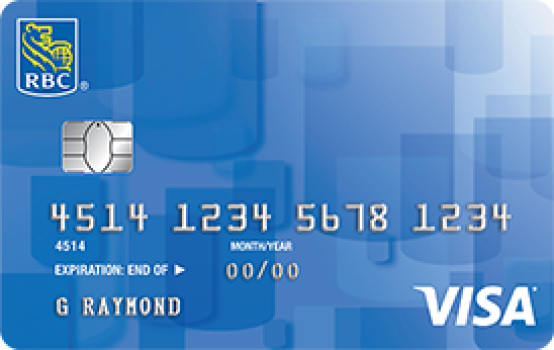
The RBC Visa Classic Low Rate Option is one of those “grown-up” credit cards that doesn’t try to charm you with points, multipliers, or lifestyle perks. It’s built for a very practical reality: sometimes life gets expensive, and sometimes a balance carries. Instead of punishing you with standard high interest rates, this card keeps the cost of borrowing lower and predictable with a fixed 12.99% interest rate on purchases and cash advances (including balance transfers), paired with a small annual fee.
If you’re the kind of person who values calm, steady finances over chasing rewards — or if you already have a rewards card and want a “safety valve” for tighter months — this RBC low-rate card can make a lot of sense. You won’t get the thrill of a big points haul, but you may get something more valuable: less interest stress, month after month.
Quick highlights
- 📉 Fixed 12.99% interest rate on purchases and cash advances (including balance transfers) — designed to reduce borrowing costs vs standard cards.
- 💰 Low annual fee: $20 for the primary cardholder, with $0 for additional cards (handy for families or a partner).
- 🧠 Best used as a “plan B” card for months when you need flexibility — or as a primary card if you want simple, steady pricing.
- 🛡 Includes core protections like purchase security and extended warranty (not premium, but genuinely useful in real life).
- 🔒 RBC digital features (alerts, controls, monitoring) make it easier to keep an eye on spending and security.
- 🧾 Often comes with limited-time promos (for example, balance transfer or first-year fee offers) — great if timed correctly, but the real value is the ongoing low rate.
Why we like the RBC Visa Classic Low Rate Option
There are two kinds of credit cards that genuinely improve your financial life: the ones that reward disciplined “pay in full” behaviour, and the ones that reduce the damage when things don’t go perfectly. This RBC card falls firmly into the second category — and that’s not a knock. It’s honest, and it’s useful.
The appeal is simple: 12.99% is meaningfully lower than typical credit card rates, and it’s fixed and predictable. That predictability is a big deal. With many promotional offers, you get a low rate for a short window and then the cost jumps. Here, the card’s “default setting” is already lower, which means you’re not constantly timing your life around an expiry date.
We also like how easy it is to keep long-term. The annual fee is only $20, additional cards are $0, and you don’t need to learn a rewards system or manage category caps. This is the type of card that can quietly sit in your wallet for years and still feel worth it because its value comes from reducing stress, not from chasing perks.
Stand-out features
- ✅ Fixed 12.99% rate on purchases and cash advances (including balance transfers) — steady and easy to plan around.
- ✅ $20 annual fee and $0 additional card fee — cost-effective even as a backup card.
- ✅ A smart “companion card” if you already have a rewards card but want protection against expensive interest months.
- ✅ Everyday protections like purchase security and extended warranty — not glamorous, but practical when you buy electronics or household items.
- ✅ RBC ecosystem benefits: strong digital banking tools, alerts, and card controls that help you stay on top of spending and security.
Good to know
- ⚠️ You’re not earning points or cash back on everyday spending, so “pay in full” users may get better value from a no-fee rewards card.
- ⚠️ Cash advances still accrue interest immediately — the rate is lower, but the mechanics still matter.
- ⚠️ Balance transfer promos (when available) may involve fees; the long-term value is the ongoing 12.99% rate.
- ⚠️ If you frequently travel and want insurance, lounge access, or premium benefits, this is the wrong product (and that’s okay).
Pros
- Fixed 12.99% purchase interest rate can materially reduce borrowing costs.
- Same 12.99% rate applies to cash advances and balance transfers, keeping pricing simple.
- Low $20 annual fee and $0 additional cards makes it easy to keep as a long-term “backup plan.”
- Simple: no rewards rules, no caps, no category tracking — just straightforward pricing.
- Core protections like purchase security and extended warranty add real-life value on big purchases.
- RBC digital tools and account controls help with security and budgeting behaviour.
Cons
- No rewards program — if you always pay in full, you may be leaving value on the table vs rewards cards.
- Benefits are practical, not premium: no travel insurance package or “wow” perks.
- Cash advances still accrue interest immediately (even at a lower rate).
- Not designed for frequent travellers or points optimizers who want redemptions, status, or luxury benefits.
- Intro offers can change; don’t choose the card only for a temporary promo.
Rewards program
This is the part where rewards-card reviews get exciting — and low-interest card reviews get honest. The RBC Visa Classic Low Rate Option is not designed to be a points engine. It’s designed to be a cost-control tool. So if you’re looking for “2x points,” category multipliers, or a flashy welcome bonus, you’re shopping in the wrong aisle.
The “reward” here is the interest savings. If you carry a balance for even a few months a year, the difference between a typical high rate and a fixed 12.99% can be far more meaningful than a few dollars in points. In other words, this card doesn’t pay you to spend — it charges you less when you need time to pay.
How to maximize value
With low-interest cards, “maximizing” doesn’t mean optimizing points — it means using the card in a way that reduces total cost while keeping your habits healthy. Here’s how people get the most out of the RBC Low Rate Option without turning it into a financial crutch.
-
Use it as your “flex month” card.
Many people keep a rewards card for normal months and switch to this card when expenses spike (car repairs, travel deposits, medical bills, moving costs). It’s a clean, practical system — and it keeps the expensive interest months less painful. -
Pay more than the minimum, always.
The rate is lower, but the goal is still to get back to zero. Even small extra payments can make a surprisingly large difference over time. Treat the low rate as breathing room, not permission. -
Be intentional with balance transfers.
If you’re using balance transfers to reorganize debt, focus on the total cost (transfer fee + interest) and the plan to pay it down. This card can be a stable landing zone after promo offers, but it still works best with a payoff plan. -
Use additional cards thoughtfully.
Additional cards are $0, which is convenient for partners or trusted family members — but “free extra cards” can also create spending drift. Set expectations and boundaries if you’re sharing the account. -
Use RBC alerts and controls to stay honest.
Budgeting isn’t about willpower alone. Alerts, spending monitoring, and card controls can reduce “oops” spending and help you notice problems early.
Insurance & benefits
Included coverage
This card isn’t built as an insurance powerhouse, but it does include the kinds of protections that matter for everyday purchases — especially if you use your credit card for electronics, appliances, and higher-ticket household items.
- Purchase security for eligible items against theft or accidental damage for a limited period after purchase (think of the “new phone dropped on day 12” scenario).
- Extended warranty that can extend eligible manufacturer warranties (useful for appliances and electronics that fail just after the standard coverage ends).
- Fraud protection / zero liability style coverage for unauthorized transactions, plus monitoring and security features.
Coverage is subject to eligibility rules, exclusions, limits, and certificate terms. Always review the insurance documents before relying on coverage for a specific situation.
Everyday RBC perks that matter more than they sound
Low-interest cards tend to be “quiet” on perks — but RBC’s ecosystem can still add value in small ways that feel very real over a year. Think of these as convenience and savings levers rather than premium benefits.
- RBC digital tools to manage payments, track activity, receive alerts, and reduce the odds of missed payments.
- Card controls (useful if you misplace your card or want quick peace of mind while you search your bag).
- Access to RBC offers and partner deals that can provide occasional savings without changing your habits.
If you want premium travel insurance, lounges, or high-end benefits, you’ll need a different category of card. This one stays focused on borrowing cost control.
Rates & fees
The best thing about the RBC Visa Classic Low Rate Option is that it’s boring in the right way. The fees and rates are easy to understand, and there aren’t five different “gotcha” APR categories to decode. If you’re choosing a low-interest card, that clarity matters.
| Annual fee | $20 for the primary cardholder. This is low enough that many people keep the card long-term even as a backup. In years when you do carry a balance, the interest savings can easily outweigh the fee. |
|---|---|
| Additional cards | $0 for additional cards. Great for households — but share responsibly. Additional users can help with convenience, but they can also make spending harder to track if expectations aren’t clear. |
| Purchase APR | 12.99% fixed annual interest rate on purchases. This is the core value proposition: lower, predictable borrowing costs compared to standard-rate credit cards. |
| Cash advance APR | 12.99% on cash advances (including balance transfers). This is unusually simple: one rate for the major borrowing categories. Important detail: cash advances typically accrue interest immediately, so even with a lower rate, they should be used sparingly. |
| Grace period | Typically up to 21 days interest-free on new purchases if you pay your statement balance in full by the due date. If you carry a balance, the grace period generally doesn’t apply in the same way — another reason to have a plan for payoff. |
| Foreign currency conversion | Standard foreign transaction costs apply when purchases are made in a foreign currency. This is not a “no FX fee” card, so frequent international spenders may prefer a specialized travel card. |
Best for
This card is not trying to be everything for everyone — and that’s a good thing. Here’s who it fits best in the real world.
- 📉 People who occasionally carry balances and want to reduce interest costs without juggling promo expiry dates.
- 🧾 Canadians who use a credit card as a short-term financing tool for predictable, planned expenses (repairs, moving, seasonal costs).
- 🧠 Anyone who values simple, steady pricing more than optimizing points and redemptions.
- 👨👩👧 Households that benefit from $0 additional cards and prefer one account to manage (with clear spending boundaries).
- 🧳 People who already have a rewards card but want a low-interest backup for the occasional “life happens” month.
Where it falls short
The RBC Low Rate Option is excellent at what it’s meant to do — but it’s important to be clear about what it does not do. If your goal is to “win” at points, travel redemptions, or premium perks, this is not your card.
- No rewards program in the traditional sense: no cash back, no points multipliers, no travel currency to optimize.
- Basic benefits package: you get practical purchase protections, but not premium travel insurance stacks or lounge access.
- Not a travel-first product: foreign currency costs and limited travel perks mean travellers may want a separate travel card.
- Low interest doesn’t remove risk: carrying a balance still costs money. The rate is lower — the best plan is still paying it down.
Customer reviews
Positive feedback
“I don’t care about rewards — I care about not getting crushed by interest when something unexpected comes up. This card is simple and the rate stays reasonable.”
“The low annual fee makes it easy to keep as a backup. I mostly use my rewards card, but I’m glad this exists for those months where life gets pricey.”
“It’s boring in a good way. I know what I’m paying, and I don’t feel like I’m being ‘sold’ into spending more for points.”
Critiques
“If you pay in full every month, there’s not much here — you’ll probably want a no-fee cash back card instead.”
“The card benefits are basic. I like the lower rate, but don’t expect travel insurance or premium perks.”
“I wish it had at least a small rewards feature, but I get that the point is keeping costs low.”
Community insights
In Canadian credit card communities, low-interest cards tend to be underrated because they’re not exciting to talk about. But they’re often the cards people quietly keep for years — the “break glass in case of emergency” option that prevents one bad month from turning into a long, expensive interest spiral.
The RBC Visa Classic Low Rate Option specifically gets love from people who want stability and simplicity. It’s often recommended as a companion to a rewards card: use rewards when you’re paying in full, and use low-interest when you need time. That pairing can be financially smarter than trying to force every purchase through a points card while carrying a balance at a high rate.
AI review (straight talk)
This card won’t make you feel like a travel hacker — it’ll make you feel like someone who plans for real life. If you’ve ever had a month where you couldn’t pay the full balance (or you just didn’t want to drain savings), a lower fixed rate can be a genuine relief.
The smartest way to use this card is also the least dramatic: keep it available, use it intentionally, and pay it down steadily. If you never carry a balance, you’ll probably prefer a no-fee rewards card. But if your financial life has occasional bumps — and most people’s does — this is a very reasonable tool to have in the drawer (or wallet).
Alternatives & comparison
The right comparison for this RBC card isn’t premium travel cards — it’s other low-interest tools and “pay-in-full” rewards cards. Here’s how to think about alternatives depending on your goal.
| Card | Annual Fee | Rates / Focus | What you’re really getting | Best For |
|---|---|---|---|---|
| RBC Visa Classic Low Rate Option | $20 | 12.99% fixed on purchases & cash advances (incl. balance transfers) | Simple, steady low-interest pricing + basic protections | People who sometimes carry balances and want predictable costs |
| Low-interest card with higher fee | $30–$60+ | Sometimes slightly lower rates | Potentially lower interest, but you pay more up front | Heavier balance carriers where rate differences outweigh fee |
| Promotional balance transfer card | $0–$40 | Very low promo rate for a limited time | Short-term relief, usually with transfer fees and expiry dates | Debt consolidation with a clear payoff plan |
| No-fee cash back card | $0 | Standard interest rates | Rewards value when you pay in full | People who never carry balances |
FAQ
What is the annual fee for the RBC Visa Classic Low Rate Option?
The annual fee is $20 for the primary cardholder, and $0 for additional cards. That low fee is a big reason this card works well as a long-term “backup plan” card — you’re not paying premium-card pricing just to keep low interest available when you need it.
In real life, the fee question comes down to this: if you never carry a balance, even $20 can feel unnecessary. But if you do carry a balance even occasionally, the interest savings from a lower rate can outweigh the fee quickly.
What interest rates apply to this card?
The RBC Visa Classic Low Rate Option has a fixed annual interest rate of 12.99% on purchases and 12.99% on cash advances (including balance transfers). The key is that the structure is simple: one lower rate across the major borrowing categories.
Keep in mind that cash advances usually start accruing interest immediately. So while the rate is lower than a typical card, it’s still best to treat cash advances as “last resort” transactions unless you know exactly what you’re doing.
Does this card earn rewards or cash back?
Not in the traditional sense. This is not a rewards card, and it’s not meant to be. The value is the lower interest rate. If you’re someone who always pays in full, you’ll typically get better value from a no-fee cash back or rewards card.
If you sometimes carry a balance, rewards can become a trap: earning $20–$40 in rewards while paying far more in interest. For that type of spender, a low-interest card can be the more “rewarding” choice in practice, even without points.
Is this card good for balance transfers?
It can be, especially because the 12.99% rate applies to balance transfers as part of cash advance pricing. The card is also sometimes offered with limited-time promotions (for example, a short-term lower rate). The important thing is not to choose the card only because of a promo — promotions change.
The best use case is a clear payoff plan. If you’re transferring a balance, you want to know your monthly payment target, the total cost (including any transfer fee if applicable), and what happens when the promo ends. This RBC card can be a stable long-term home for that payoff plan because its “default” rate is still relatively low.
Who should avoid this card?
If you always pay your statement balance in full and you care about optimizing value, you’ll likely find this card underwhelming. You’re paying $20 a year for a benefit (lower interest) you don’t actually use, and you’re missing the opportunity to earn cash back or points on your spending.
In that scenario, a no-fee rewards or cash back card is typically a better fit. The RBC Low Rate Option is best for people who want flexibility — not for people who treat their credit card like a debit card.
Is this card useful as a second card alongside a rewards card?
Yes — and honestly, this is one of the smartest ways to use it. Many Canadians pair a rewards card (for normal months) with a low-interest card like this (for expensive months). That strategy helps you avoid carrying balances on a high-rate rewards card while still enjoying rewards when you’re paying in full.
If you’ve ever had a month where you said, “I’ll pay it off next month,” this card is designed for that exact reality — at a lower cost.
Final verdict & ratings
Our take The RBC Visa Classic Low Rate Option is a calm, practical credit card for real financial life. It doesn’t try to impress you. It tries to keep you from paying more interest than you need to — and for many Canadians, that’s a genuinely valuable job.
If you’re a dedicated “pay in full” person, you’ll probably prefer a no-fee rewards card. But if you sometimes carry a balance, want predictable costs, or simply like having a low-interest option available without a big annual fee, this card is easy to justify and easy to live with.
| Overall | ★★★★☆ 4.1 / 5 |
|---|---|
| Cost control | 4.7 / 5 — the fixed 12.99% rate is the core value, and it’s straightforward. |
| Benefits & protections | 3.7 / 5 — basic purchase protections are useful, but this isn’t a premium-benefits card. |
| Fees & costs | 4.6 / 5 — $20 is low, and $0 additional cards is a real perk for households. |
| Ease of use | 4.5 / 5 — simple pricing, easy to understand, and works well as a companion card. |